DERMAL FILLERS
SMOOTH, PLUMP, CONTOUR, AND VOLUMIZE
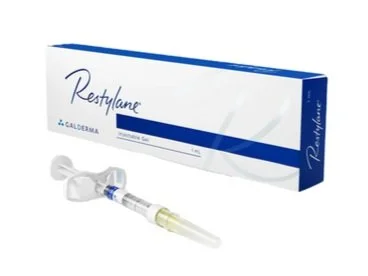
As we age, our facial structure changes. Over time, our cheekbones flatten, and we lose fat pads and the supportive collagen matrix in our skin. The result is hollow or sunken areas and deep lines and folds. While neurotoxins relax the muscles that cause wrinkles, dermal fillers work beneath the surface to add volume, lift sagging tissue, and contour your features. Made from smooth, skin-loving hyaluronic acid gels, fillers mimic your body’s natural substance to instantly restore youthful structure, build symmetry, and enhance your natural bone structure without surgery. We offer a full line of fillers, including Juvéderm®, Restylane®, Radiesse®, Evolysse®, RHA®, and Belotero®.
Customized Filler Transformations
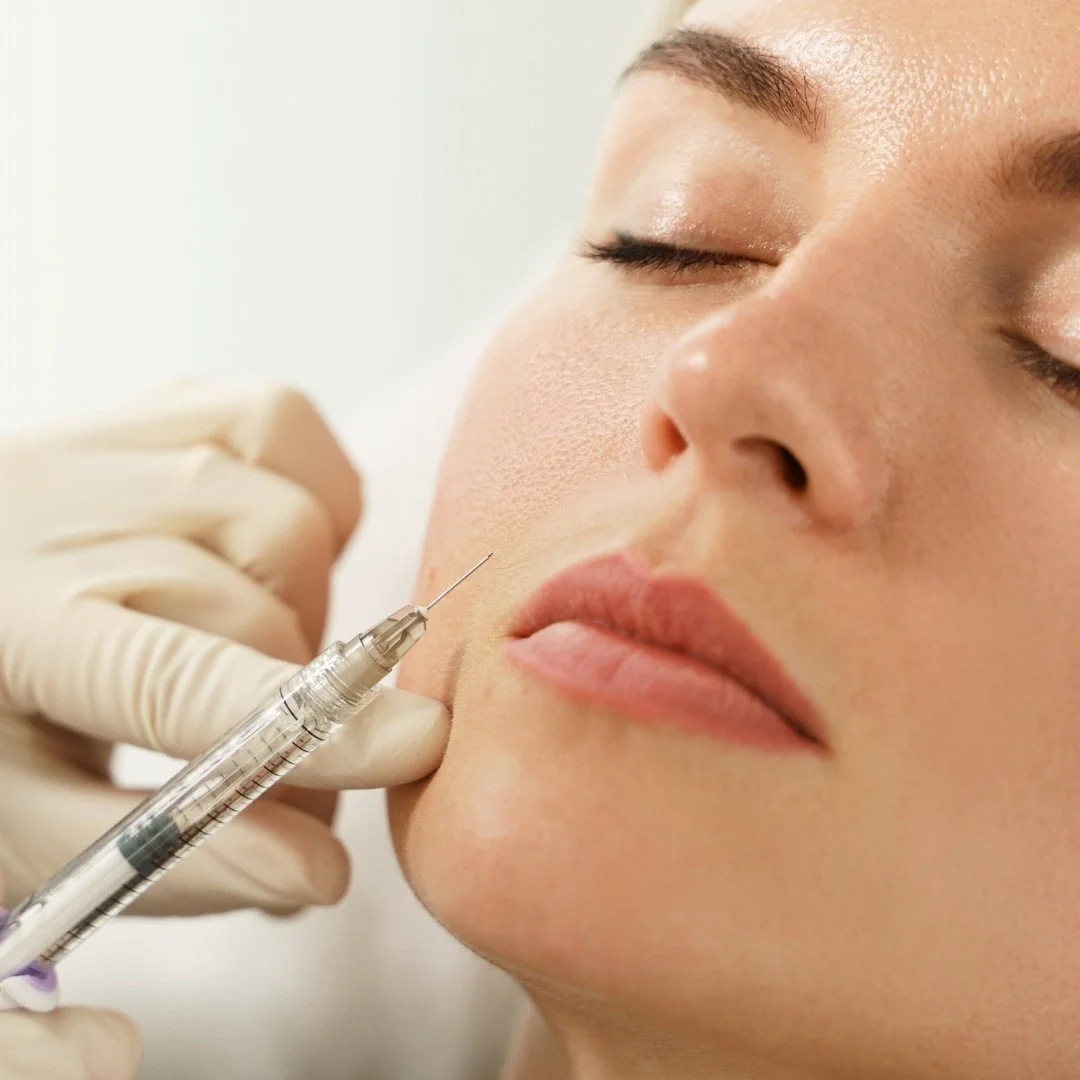
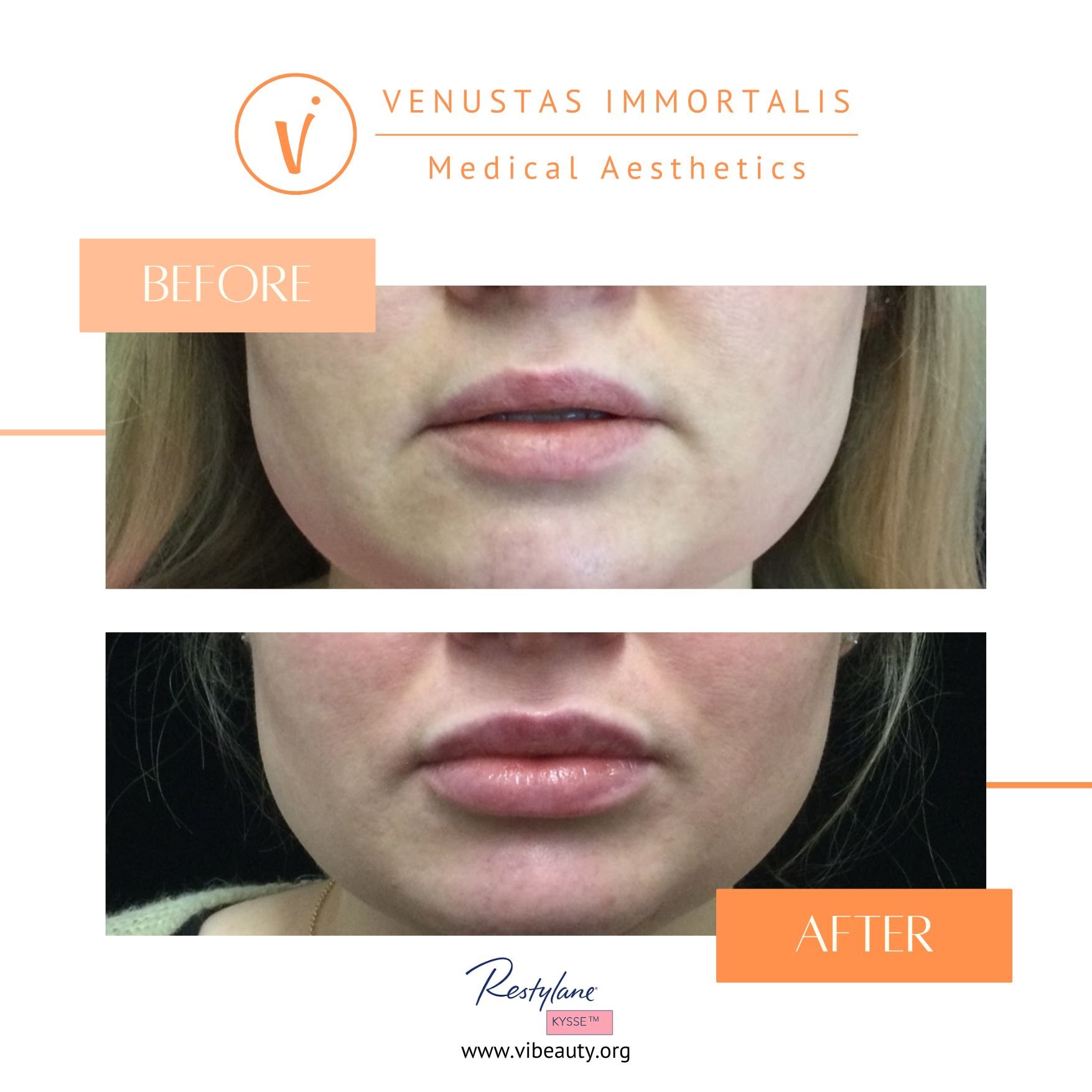
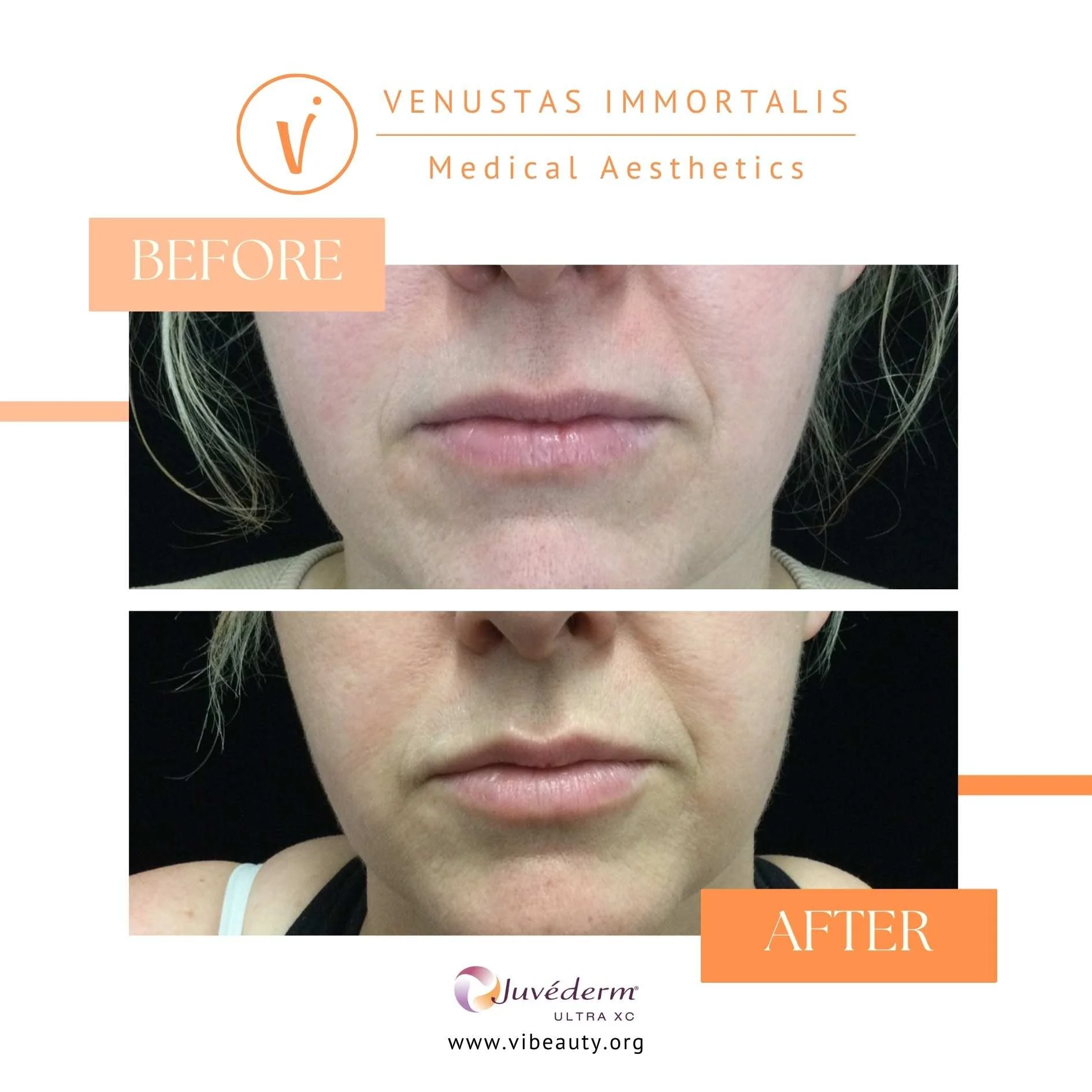
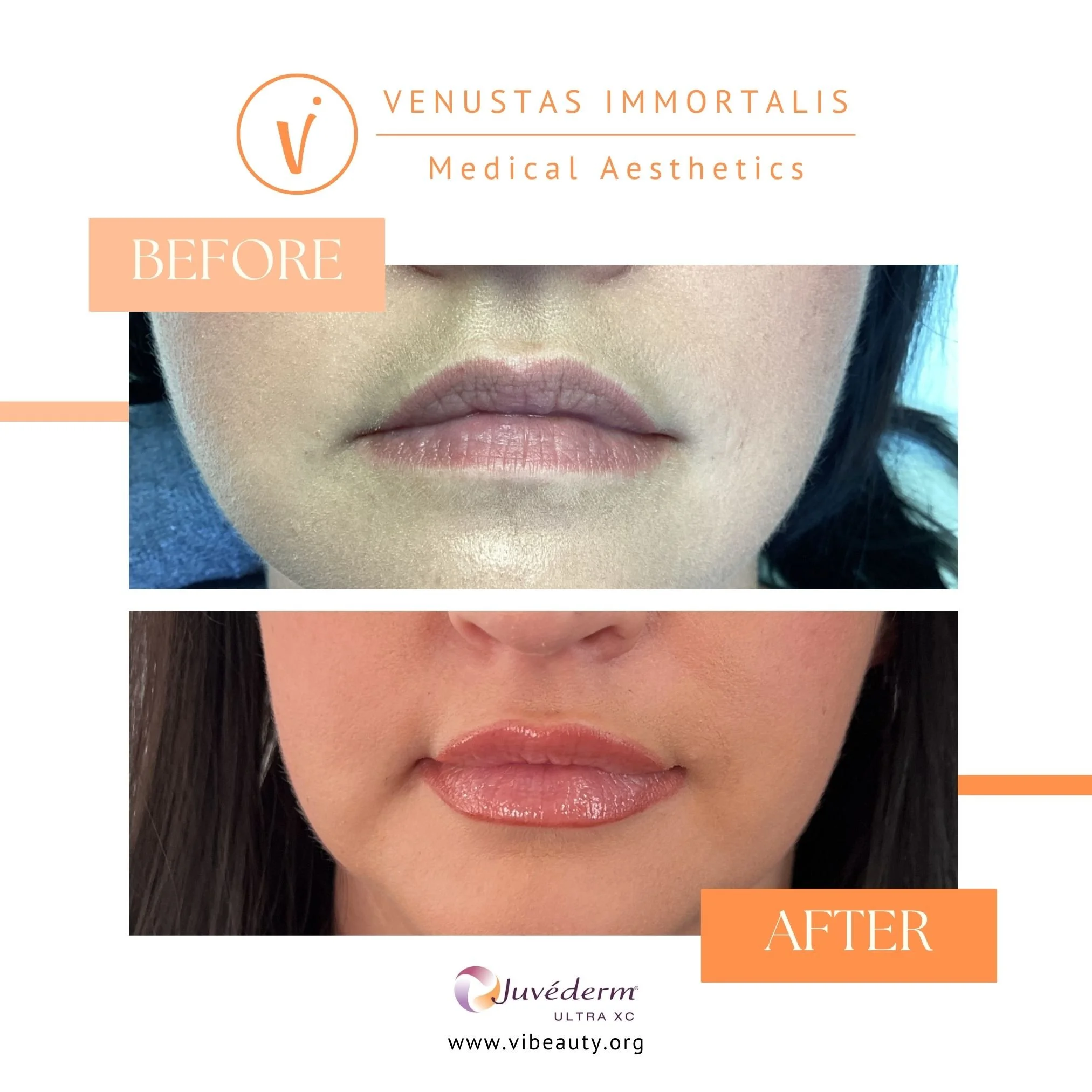
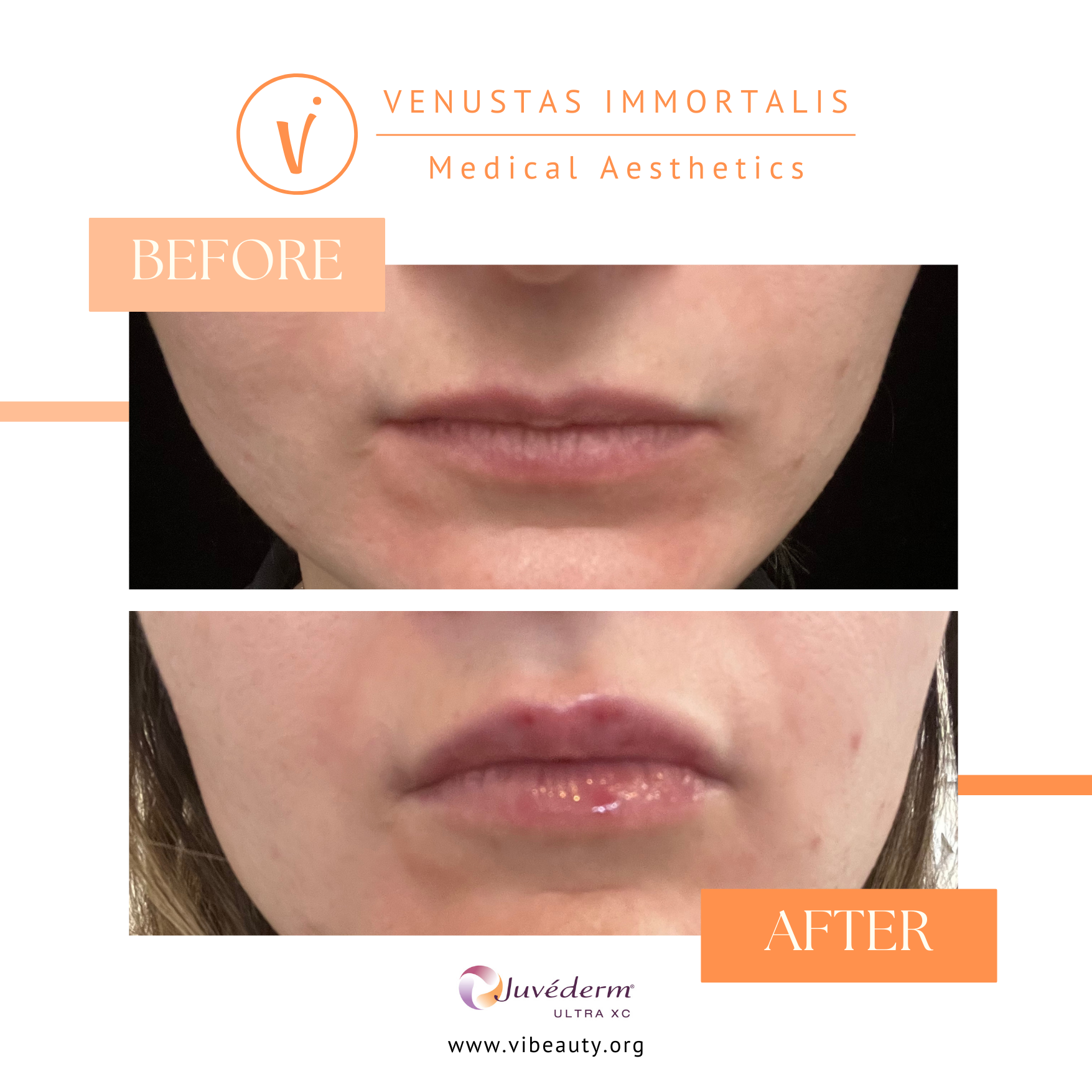
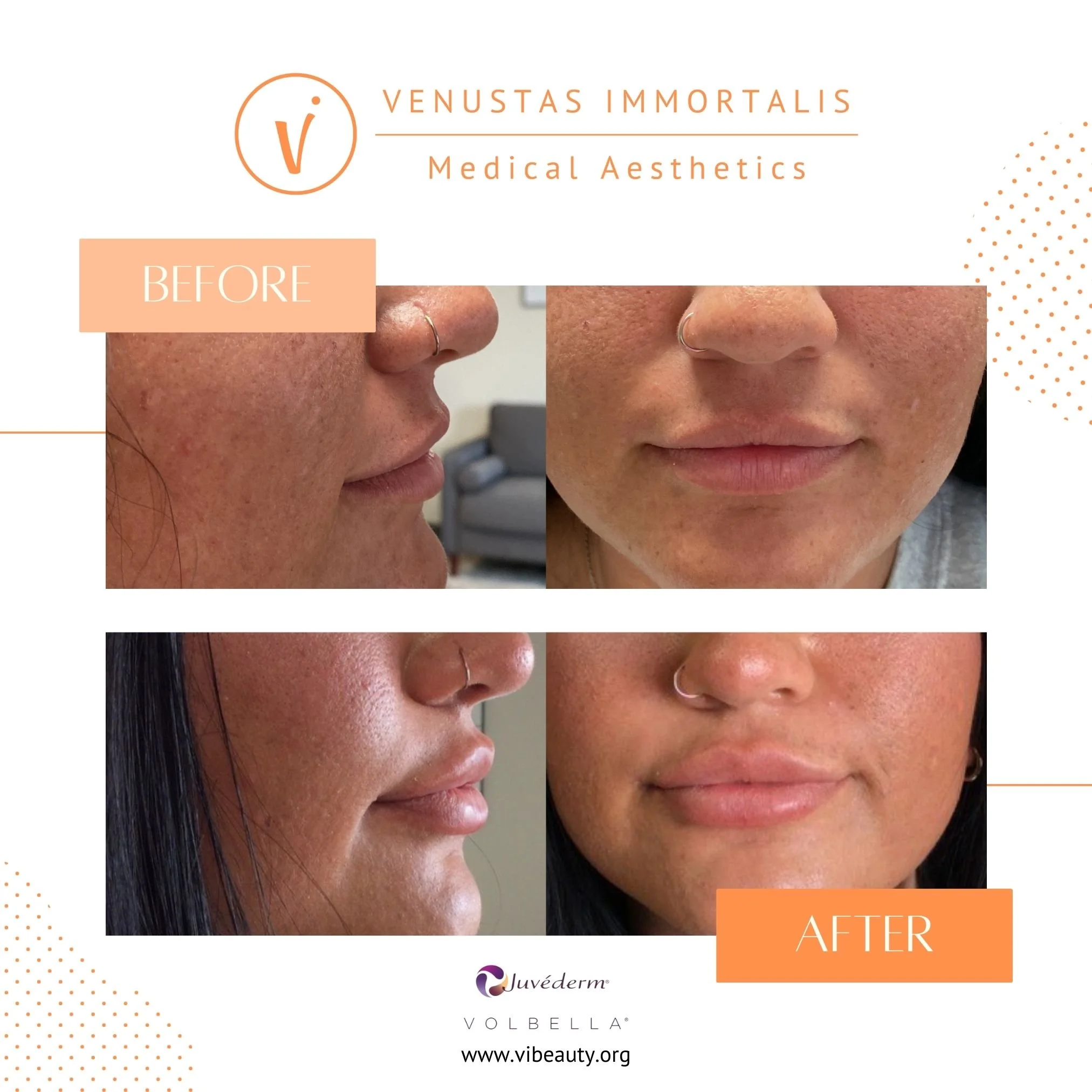
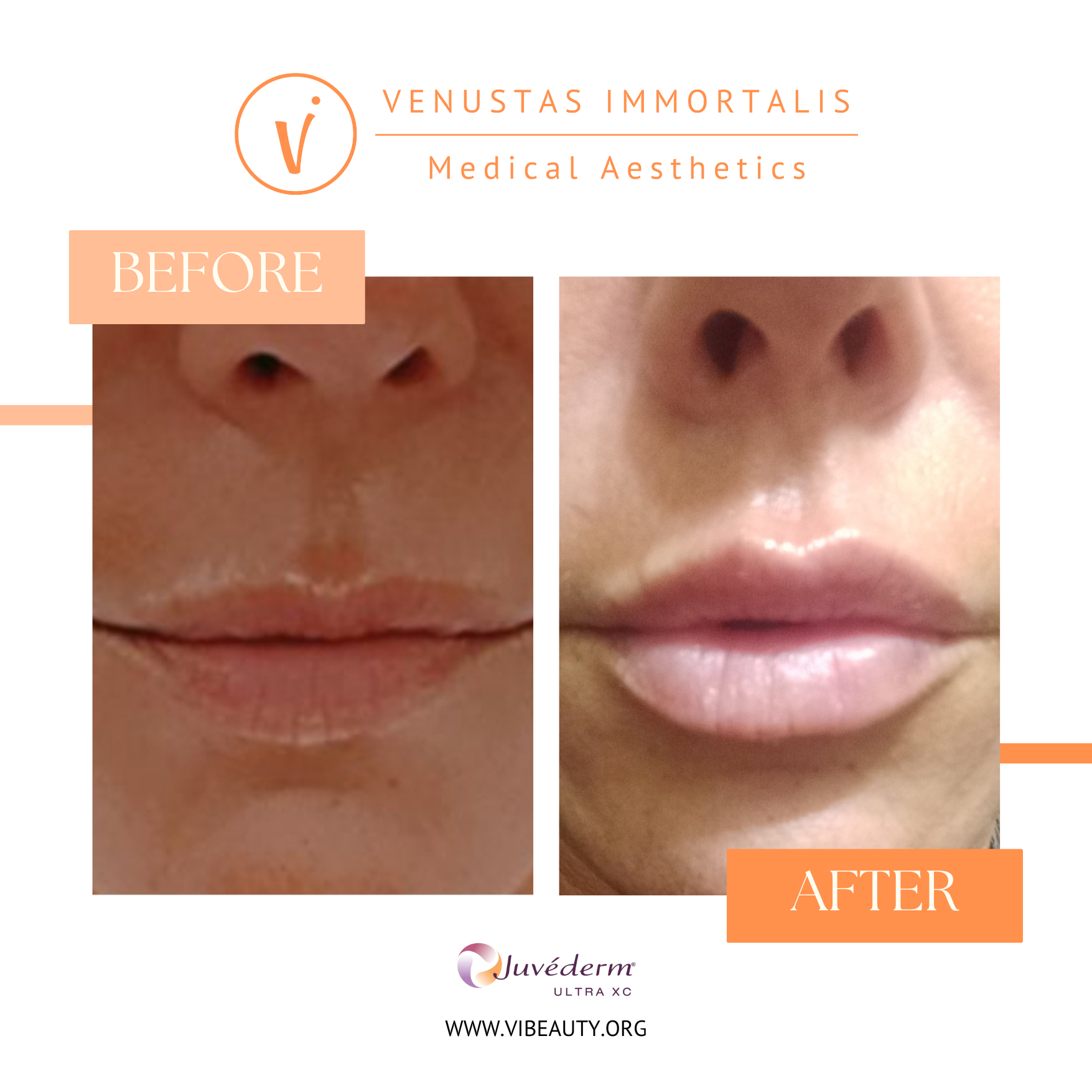
Lip Filler & Contour: Whether you want to restore lost volume, smooth lip lines, or create a plumper, more defined pout, we customize your treatment for soft, pillow-like results that move naturally.
Cheek Lift & Volume: Rebuilds youthful structure by lifting the midface. This treatment sculpts high cheekbones while instantly softening the appearance of under-eye hollows and smile lines.
Chin & Jawline Definition: Sharpens a soft profile, balances a recessed chin, and creates a crisp, contoured jawline that mimics flawless bone structure.
Wake Up to Brighter Eyes: Our under-eye treatment gently lifts and smooths the delicate hollows that create a tired look. By seamlessly blending the area under your eyes with your upper cheeks, this precise technique erases deep shadows, minimizes dark circles, and restores a rested, luminous glow that no amount of sleep or concealer can replicate.
HARMONY OVER HASHTAGS
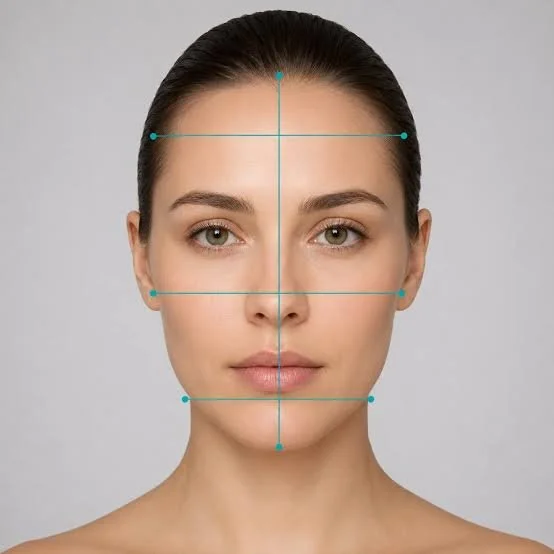
True beauty isn’t about chasing isolated trends—it’s about facial balancing. Instead of looking at a single feature, like your lips or chin, in a vacuum, facial balancing considers your entire face as a complete canvas. By evaluating the natural ratios among your forehead, nose, cheeks, lips, and jawline, we treat the face holistically to ensure every feature complements the next.
Facial Balancing: the Ultimate Game-Changer
Creates Natural Symmetry: We don't change how you look; we enhance your unique anatomy by correcting subtle asymmetries, so your features are perfectly proportioned.
Prevents the "Overdone" Look: Injecting too much filler into a single area (such as the lips) can throw off your facial harmony. Balancing ensures that when we add volume to one area, we maintain the natural structural ratios of your profile..
Flawless Profiles from Every Angle: By strategically pairing subtle tweaks—such as balancing a strong nose with a slightly projected chin—we create a crisp, beautiful profile that looks stunning from both the front and the side.
The "Did They or Didn't They?" Effect: The best injectables are undetectable. When your features are perfectly balanced, people won't notice your filler—they will only notice how rested, radiant, and naturally striking you look.
Results are immediate and typically last around 8-15 months for lips and lower face treatment areas, and up to 2 years in the cheeks, jawline and chin.
BEFORE & AFTER


FAQ
-
The longevity of dermal fillers depends on the product used, treatment area, and your metabolism. Most hyaluronic acid fillers last 6–18 months, with lip fillers typically lasting 6–12 months and cheek or jawline fillers lasting up to 18–24 months. Fillers such as Juvéderm, Restylane, RHA Collection, Belotero, Evolysse, and Radiesse are selected based on your goals and the area treated. Many fillers also stimulate collagen, helping maintain smoother skin and restored facial volume over time.
We offer customized dermal filler treatments at our locations in Milton, New Glarus, and Dubuque.
-
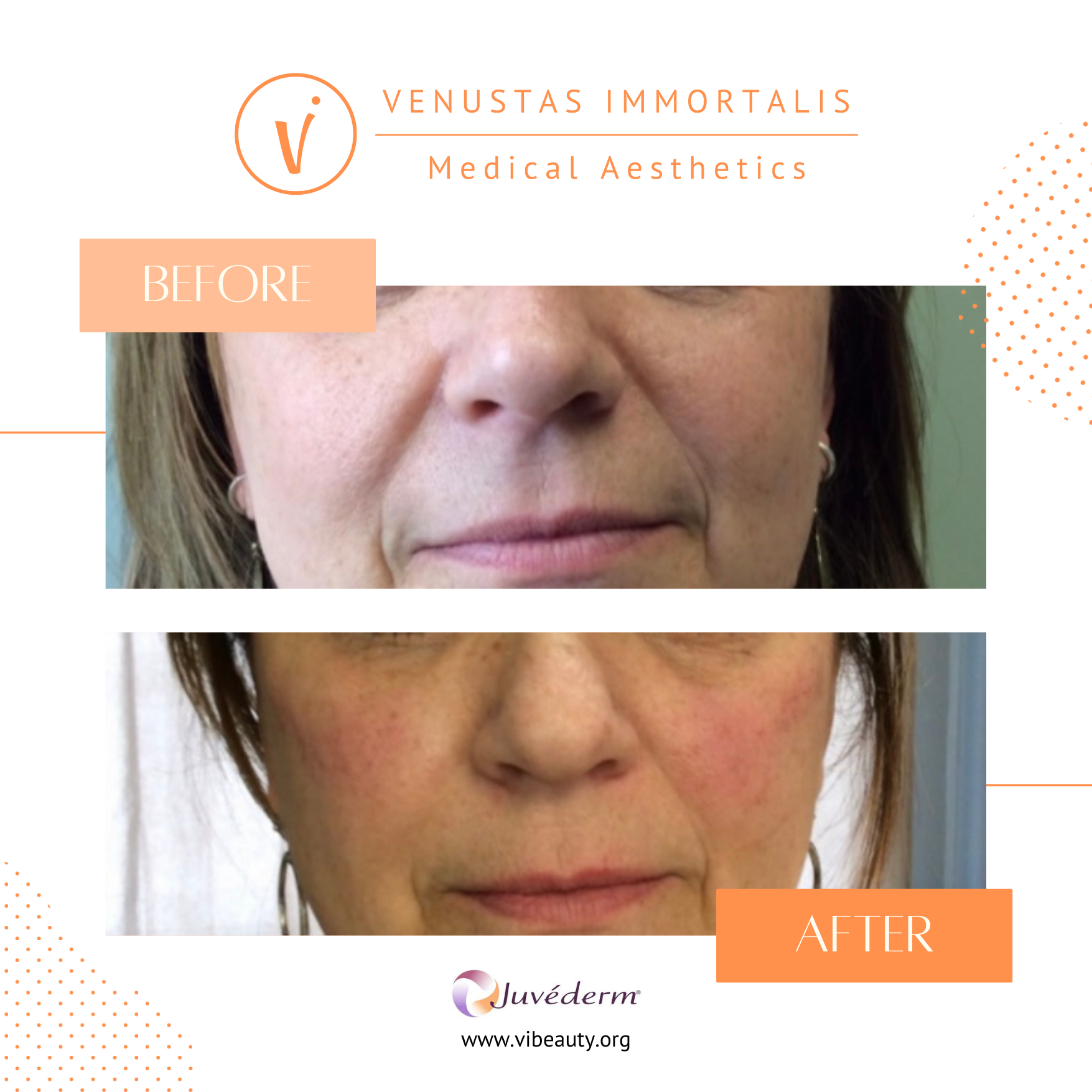
Dermal fillers can restore volume, enhance contours, and smooth wrinkles in multiple areas of the face and even the hands. Common treatment areas include the lips, cheeks, chin, jawline, smile lines (nasolabial folds), marionette lines, under-eye hollows (tear troughs), temples, and fine lines around the mouth. Fillers can also improve facial symmetry, define facial structure, and create a more youthful, refreshed appearance without surgery.
We use advanced techniques and premium fillers such as Juvéderm, Restylane, RHA Collection, Belotero, Evolysse, and Radiesse to customize treatment based on the area and your aesthetic goals. Dermal filler treatments are available at our locations in Milton, New Glarus, and Dubuque.
-
Dermal filler appointments typically take 30–60 minutes. Your provider will evaluate your facial anatomy, discuss your goals, and use advanced injection techniques to restore volume, enhance facial contours, and smooth wrinkles. Most fillers contain lidocaine to improve comfort during treatment.
After treatment, you may experience mild swelling, redness, tenderness, or bruising for a few days. Results are visible immediately, with final results appearing once swelling subsides. Dermal fillers provide natural-looking volume enhancement with minimal downtime, making them a popular non-surgical facial rejuvenation option.
Dermal filler treatments are available at our Milton, New Glarus, and Dubuque locations.
-
Dermal fillers are best for static wrinkles caused by volume loss, such as smile lines (nasolabial folds), marionette lines, and under-eye hollows. They restore lost volume, smooth deeper folds, and improve facial balance. Wrinkles caused by muscle movement (dynamic wrinkles like forehead lines or crow’s feet) are typically treated with tox instead. Many patients achieve optimal results by combining fillers and neuromodulators for full-face rejuvenation.
We provide personalized filler treatments at our locations in Milton, New Glarus, and Dubuque.
-
When performed by experienced injectors, dermal fillers are designed to look natural, not overdone. The goal is to enhance your features, restore youthful volume, and soften lines while maintaining your unique facial expressions and proportions. Modern filler techniques focus on subtle, balanced results that leave you looking refreshed and well-rested rather than “filled.”
Your treatment plan is fully customized based on your anatomy, facial structure, and desired outcome to ensure natural-looking results. We provide personalized, natural-looking filler treatments at our Milton, New Glarus, and Dubuque locations.